















Ashley M. Bush
University of Kentucky
Four-wheelers are a fun way to explore the great Kentucky outdoors. Also known as all-terrain vehicles (ATVs), they are useful for functional activities like farming, hunting and snow plowing but also for off-road recreation across trails and fields — offering scenic views and family fun while connecting with nature.
But the thrill of riding ATVs can come at a cost to its riders, in the form of trips to emergency department room (ER) and even death. From 2016-2024, five Kentucky kids under the age of eighteen died annually from injuries due to ATV use, while more than 1,286 were seen in Kentucky’s ERs. The median cost for a trip to the ER was over $2,000.
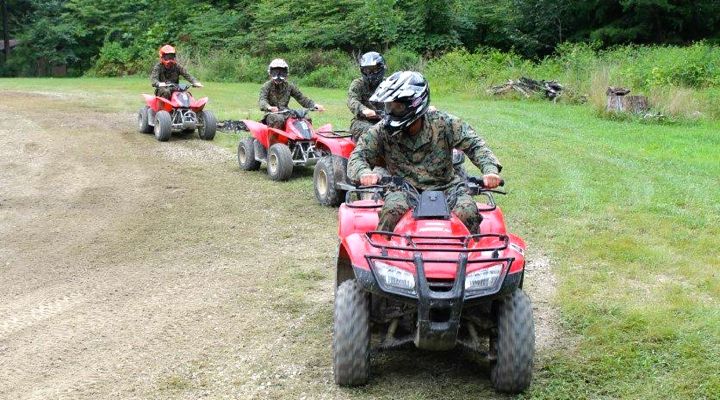
Prevention and safe riding are needed, especially as ATV-related injuries among Kentucky’s kids have increased since 2018. Kentucky data shows that approximately 53% of ATV-related youth deaths occurred while driving and 43% occurred while riding as a passenger. Both ATV riders and drivers are at-risk for injury and death, so let’s talk about how to make ATVs safer.
First, make sure your child is riding an ATV rated for youth. These ATVs are often lighter, easier to manipulate, and have a governor to limit the throttle speed. Select an age- and size-appropriate ATV to help ensure that your child can manipulate and handle it safely. Also, make sure to read the owner’s manual and provide proper maintenance to keep all riders safe.
Wearing protective gear, like helmets can help prevent injury and even death. In fact, one in two Kentucky youth deaths from ATV use were due to a traumatic brain injury.
Never ride without a helmet. This was a lesson reinforced when I was working in healthcare; one of my first patients died from injuries sustained while riding to get their helmet. Some tips for selecting a helmet for your child include:
• Choose a Department of Transportation approved helmet or one with Snell Foundation certification, which is a more stringent helmet rating;
• Budgets are tight, but do not skimp on the helmet. Used and secondhand helmets could have already been involved in a crash or dropped, jeopardizing the helmet’s integrity; and
• Always buckle the helmet and make sure the straps are pulled tight. Give the helmet a gentle tug to make sure it is secure and not moving up and down or side-to-side.
Using other protective gear such as eye protection, long sleeves, long pants, gloves and boots can help keep your kids safe from head to toe.
While Kentucky does have some local ordinances permitting ATVs on public roads, ATVs are designed for off-road use only. Sadly, 52% of Kentucky’s youth ATV deaths were while operating ATVs on public roads. Bear in mind, ATVs are not cars, while they both have four wheels, they do not have the same safety features.
Parents — ATVs are not toys. They are powerful, heavy machines that most kids lack the skill, strength and experience needed to operate. Before deciding whether to put your kid on an ATV, check out this ATV Readiness Checklist by ATV Safety Institute that breaks down readiness by four child developmental areas. Remember, allowing your kids to ride ATVs is a choice. Whatever your choice may be, these tips can help to keep them safe so that you can tuck them in at night.
Ashley M. Bush, DrPH, is a research program administrator with the Kentucky Injury Prevention and Research Center based at the University of Kentucky College of Public Health.