














By Jennifer Jahn
NKyTribune staff writer
America’s oldest magazine, The Saturday Evening Post, is retiring its print edition after more than 200 years. Beginning in January 2027, the publication will transition to an online-only format. It iis headquartered in Indiana and is published by the nonprofit Saturday Evening Post Society, a 501(c)(3) charitable organization formerly known as the Benjamin Franklin Literary & Medical Society.
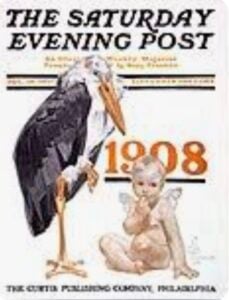
Like many longstanding print publications, the Post is facing rising production costs, declining advertising revenue, and changing reader habits. Publisher Joan SerVaas said the decision was a difficult one, particularly because of her family’s connection to the publication.
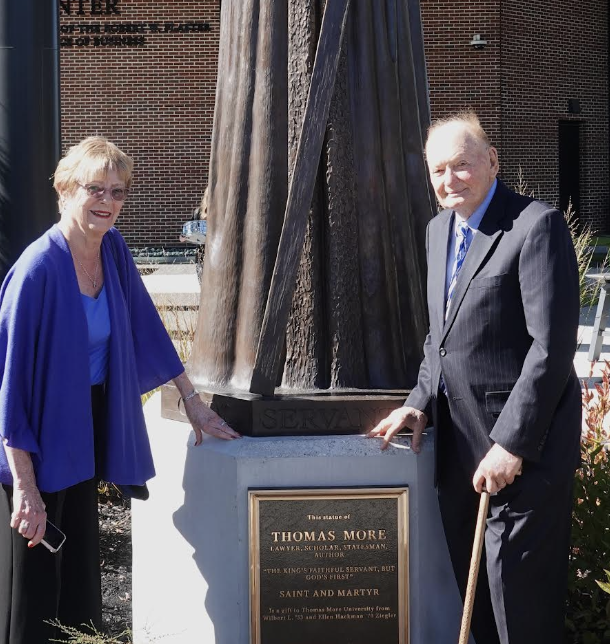
SerVaas’ father, Beurt SerVaas, and her mother, Cory, rescued the magazine from financial ruin nearly half a century ago. The couple revitalized the publication, including expanding its coverage of health and wellness.
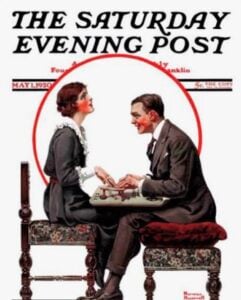
For generations, the Post was a fixture in American homes, reaching more than two million households at its height. Perhaps its most recognizable legacy is its collection of covers by Norman Rockwell, who created 322 original cover illustrations for the magazine.
Rockwell’s artwork portrayed everyday Americans in familiar settings, offering readers a glimpse of the people and scenes they might see through their own windows, around town, or even in their own homes. That focus reflected the publication’s mission of preparing for the future while honoring the past.
When the magazine celebrated its 200th anniversary in 2021, SerVaas reflected on the publication’s influence.
“In many ways, the Post’s depiction of everyday America helped create a national set of shared values. Every page of the magazine from 1821 to 2021 tells a story of where we’ve been and where we’re going.”
That story of everyday America includes Kentucky.
One example is the magazine’s July 29, 1961, cover, “Green Kentucky Pastures,” painted by famed illustrator John Clymer. The cover was a composite of scenes Clymer observed near Lexington, featuring the Bluegrass landscape and foals behind pasture fences. The Post connected the scene to Kentucky’s horse-breeding heritage and the possibility that one of those young horses might someday become a Derby winner.
The magazine’s connection to Kentucky horse racing continued through the decades. The Post has returned frequently to the Kentucky Derby and Oaks, including a 2024 feature commemorating the 150th running of the Derby. The article explored the history and traditions surrounding Churchill Downs, from the race’s beginnings in 1875 to the fashion, festivities, and cultural traditions that have become part of the annual event.
Kentucky’s communities and culture have also found their way into the magazine’s pages. The Post has featured stories about Kentucky places and people over its long history, documenting aspects of the commonwealth beyond its most famous horse race.
That tradition continues in the magazine’s digital era. Kentucky writer and essayist Wendell Berry, whose work frequently explores rural life and the fictional Kentucky community of Port William, is among the writers represented in the Post’s current online archives.
While Rockwell remains one of the Post’s most memorable artists, he was far from the only notable name associated with the publication. Other featured artists included John Clymer, Neysa McMein, Stevan Dohanos, and J.C. Leyendecker.
The magazine also has a significant literary legacy. Over the years, its pages featured the work of writers including Ray Bradbury, Agatha Christie, William Faulkner, F. Scott Fitzgerald, Edgar Allan Poe, Jack London, J.D. Salinger, and Kurt Vonnegut.
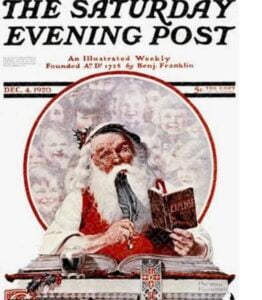
The Post has chronicled more than two centuries of American life. Its pages have included correspondence between former presidents John Adams and Thomas Jefferson, both of whom were still alive when the magazine began publishing in 1821. It went on to cover events and eras including the Gold Rush, the Civil War and both World Wars, and continues to address contemporary issues involving technology, health, culture, art, and history.
Although the print edition is coming to an end, the Post will continue publishing new articles and fiction online. Its extensive archives will also remain available, allowing readers to explore more than half a million pages and over 3,500 covers through the magazine’s website.
For Kentucky readers, those archives offer more than a look at a historic national publication. They preserve glimpses of the state’s landscapes, communities, traditions, and people — from Bluegrass horse farms to the Kentucky Derby and the voices of Kentucky writers.
The transition marks the end of an era for readers who have experienced the Post as a physical part of their homes, but its stories, artwork, and historical record will continue to be preserved for future generations.