










On Nov. 3, Kentuckians will choose a new U.S. senator and leaders up and down the ballot. Immigration enforcement has been part of those campaigns. Before voters decide, however, they should know what it looks like for too many of Kentucky’s young people.
I recently graduated from Berea College in Kentucky, where I served two terms as student body president. Berea is a small liberal arts college tucked into Eastern Kentucky, right where the Appalachian Mountains begin, and with a student body of about 1,500 students, it can feel far from the reach of national politics. But even on our small campus, we saw the effects of national immigration policy bearing down on us.
About 10% of Berea’s student population is made up of international students, and many more students come from immigrant families. I quickly realized that fear around immigration enforcement was not something happening somewhere else; it was happening to the very people in my classrooms. Students were worried about changes to visas, about their families’ safety, and about what would happen if masked agents came to campus. This fear was affecting my friends, classmates, families, and neighbors. That is why we couldn’t stay quiet.
Since the beginning of the second Trump administration, ICE has made nearly 5,000 arrests in Kentucky. Over 50 local and state law enforcement agencies here have also entered into agreements with ICE, which can turn routine interactions with law enforcement into immigration checkpoints. And the Department of Homeland Security has rescinded the Biden administration’s “sensitive locations” policy, removing protections for places like schools, churches, and hospitals. These actions make people feel like there is no safe place to turn, and that fear follows us into the classroom.
You don’t have to go far to see the trauma these policies have caused. In Bowling Green, just a couple of hours from Berea, Ernesto Manuel-Andres, an 18-year-old high school graduate, was detained by ICE despite having legal authorization to be in the U.S. He was moved through multiple detention facilities, including to Louisiana, making it difficult for his family, advocates, and attorneys to locate him. I have siblings currently in the public school system near Bowling Green, and one of them is only a year younger than Ernesto. Seeing stories like Ernesto’s on the local news has made the fear feel real and palpable.
In this culture of fear, we should not hide or make ourselves smaller. Students were asking what the institution was doing to protect them, and while Berea was still figuring out its response, we knew immigrant students could not wait. As student leaders, we had to stand up. In a small town like Berea, we couldn’t let fear drive us out. By organizing rallies and walkouts with different student organizations, we made our presence known and reminded our classmates that we will continue to be here. We also worked with the school to distribute safety cards with resources, contacts, and protocols.
People are often surprised to hear that students in Kentucky are taking action, but they shouldn’t be. We are paying attention and organizing because we are clear-eyed about the ripple effects that fear causes across our communities. Still, many of us wish our schools and local leaders had done more, sooner, and more openly.
When federal politicians target immigrant students, it disrupts learning for everyone, because learning can’t happen in classrooms filled with anxiety, confusion, and cruelty. In moments like this, schools and colleges may feel pressure to avoid the spotlight. Complacency, however, offers a false sense of security in the face of state-sanctioned violence. We need these institutions to stand their ground, have contingency plans in place, and protect students’ right to learn.
Berea does not have a legacy of running away from the problem. It was the first interracial and coeducational college in the entire Southern United States. I’m proud of the student advocacy that keeps that legacy alive, but that responsibility shouldn’t fall entirely on students. Our leaders have a choice to protect students by choosing to act. On Nov. 3, every Kentuckian who can vote has that choice, too.
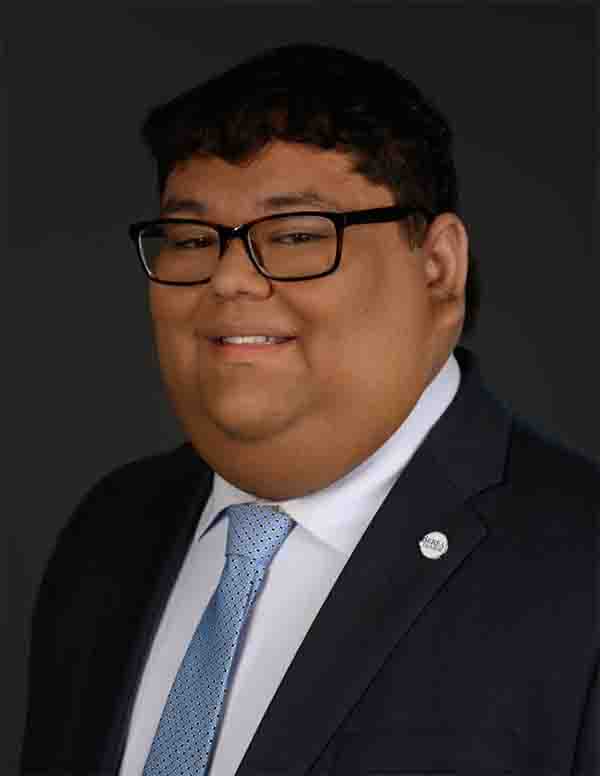
Abraham Garcia-Romero, of Ohio County is a recent graduate of Berea College and is a senior advisor to the Kentucky Student Voice Team. Raised in a working-class immigrant family in Western Kentucky, he works as a legal assistant and plans to continue working in public policy.