












Gov. Beshear announced a new statewide initiative focused on carbon monoxide (CO) safety, including proactive inspections of aging buildings. These inspections will begin with schools, followed by daycares and senior living facilities.
“Everyone deserves a healthy environment to live, learn and work in,” said Gov. Beshear. “When a student walks into a school, they should be focused on learning, not the safety of their classroom. With aging infrastructure at many of our schools, we are taking proactive steps to keep students and teachers safe from the invisible threat of carbon monoxide.”
“In the winter months, increased usage of heating systems elevates carbon monoxide risk if systems are malfunctioning or not properly ventilated,” said Public Protection Cabinet Secretary Ray Perry. “These safety checks will help ensure systems are well-maintained and create more awareness of carbon monoxide dangers.”
Team Kentucky has partnered with local building personnel and the Department of Education to visit schools throughout the state and conduct a visual inspection of heating and ventilation systems. The inspections will check furnace rooms, HVAC systems, kitchen equipment and emergency monitoring devices to ensure systems and ventilation meet current safety standards.
Additionally, all Housing, Buildings and Construction (HBC) inspectors now carry carbon monoxide detection devices and all inspections conducted by HBC officials will include a visual check of mechanical rooms and a CO reading.
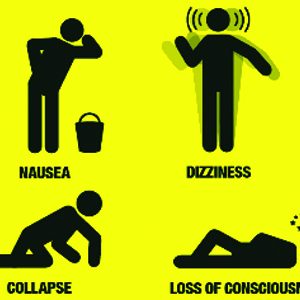
Carbon monoxide is responsible for hundreds of preventable injuries and fatalities each year nationwide. Symptoms of exposure can include headaches, dizziness, nausea, confusion and fainting. If you experience these symptoms, get to fresh air immediately. Prolonged exposure to carbon monoxide can result in death.
“The Building Code requires CO detectors in residential construction built after 2011. But you should have CO detectors installed no matter the age of your home or business,” said Housing, Buildings and Construction Commissioner Max Fuller.
Carbon Monoxide Safety Tips
Public Protection Cabinet officials encourage everyone to follow basic safety precautions year-round and to use the peak heating season as a reminder to check your fuel-burning systems.
• Install carbon monoxide detectors on each level of a building and near sleeping areas.
• Replace detector batteries twice a year; replace entire devices every 5–7 years.
• Have HVAC systems, chimneys, and vents inspected annually by qualified technicians.
• Never block ventilation openings or air returns.
• Do not use ovens, stovetops or grills to heat indoor spaces.
• Keep fuel-burning equipment (generators, space heaters) outdoors and at least 20 feet from buildings.
• Know the symptoms of CO poisoning—headaches, fatigue, nausea, dizziness—and evacuate immediately if suspected.
For more information, carbon monoxide safety tips, or to report suspected carbon monoxide issues, visit the Department of Housing, Buildings and Construction website.
Kentucky Public Protection Cabinet