














Transportation infrastructure is about more than pavement and traffic signals. It is about whether parents can get their children to school safely, whether first responders can reach an emergency quickly, whether employees can get to work on time, and how much of our day is spent sitting in traffic instead of at home with our families. Few government services affect our residents as directly, or as frequently, as the roads they travel every day.
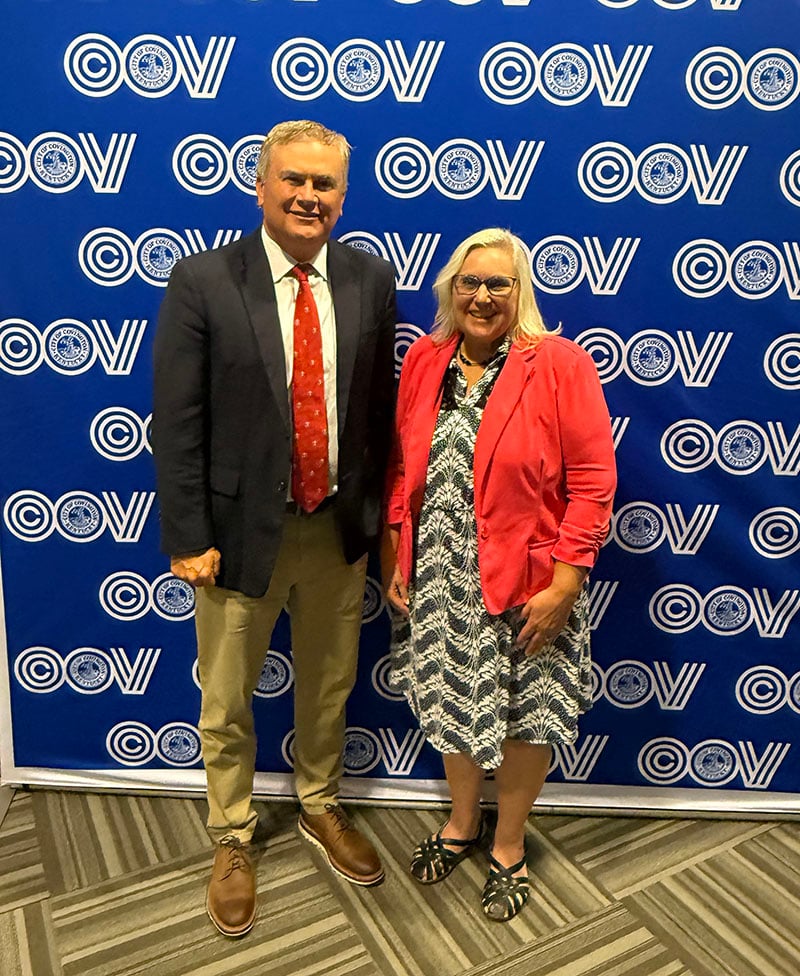
I joined fellow Northern Kentucky mayors and city administrators for a recent roundtable discussion with Congressman James Comer, hosted by Covington Mayor Ron Washington.
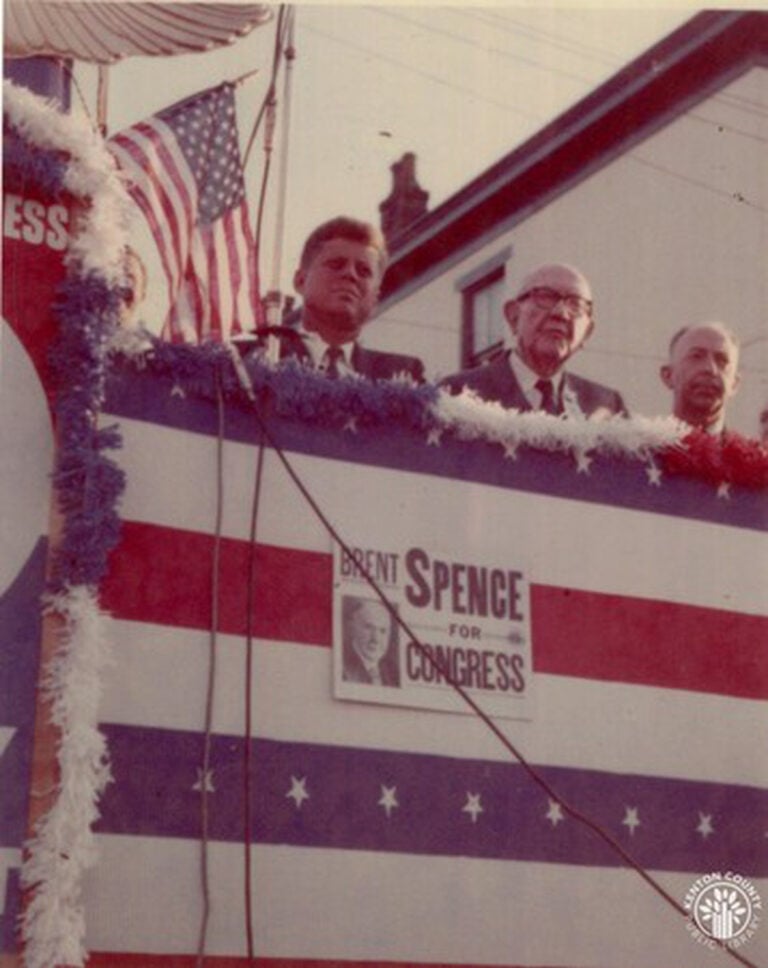
The Brent Spence Bridge Corridor was understandably an important part of that conversation. It is a transformational project for Northern Kentucky, our Commonwealth and the national transportation network. Federal and state investment in projects of that magnitude is essential.
But the conversation quickly moved to another transportation challenge affecting communities across Northern Kentucky every day: the condition, capacity and management of state-maintained roads running through our cities.
In Florence, many of our most important transportation corridors are not city streets. U.S. 42, Dixie Highway/U.S. 25, Burlington Pike/KY 18, Turfway Road/KY 1017, Weaver Road/KY 842 and Interstate 75 are part of the state transportation system.
These roads are the backbone of our community. They carry residents to work and school, provide access to businesses, support emergency response. and move customers, employees and freight throughout one of Kentucky’s largest employment and commercial centers.
Yet when congestion occurs, pavement deteriorates or an intersection no longer serves surrounding development, residents do not distinguish between a “city road” and a “state road.” They see a transportation problem in Florence and understandably expect their local officials to address it.
That creates a fundamental challenge: cities are increasingly responsible for the consequences of transportation decisions on roads over which they have limited control.
We experienced that firsthand with the proposed road reconfiguration, commonly referred to as a “road diet,” on Dixie Highway.
Florence supports transportation safety improvements. But significant changes to an urban corridor must reflect how that corridor functions within the community. Emergency response, business access, traffic diversion, surrounding neighborhoods and future economic development all matter.
The Dixie Highway process demonstrated what can happen when communication with affected local governments occurs too late. Ultimately, the Kentucky Transportation Cabinet paused the proposed reconfiguration and expanded public engagement before deciding not to move forward with the lane reduction.
That experience should help improve the process going forward: local governments need to be at the table early, not simply informed after major decisions have been developed.
Congressman Comer was engaged in this discussion and clearly understood the concern. While many of these issues require action in Frankfort, having our federal delegation understand the transportation pressures facing Kentucky’s growing cities is important as well.
Funding must also be part of this conversation.
Kentucky’s system for distributing road funding was developed for a different era. Municipal Road Aid, for example, is primarily distributed based on population, while other state road funding formulas recognize factors such as roadway mileage and geographic area.
We should have a serious statewide discussion about whether those formulas adequately reflect today’s transportation realities. Growing cities maintain increasingly complex street networks while also absorbing the economic and operational impacts created by heavily traveled state corridors.
This is not an argument to take funding away from rural Kentucky. Rural roads are essential and have legitimate infrastructure needs. It is an argument that Kentucky’s transportation funding system must recognize the needs of both rural and urban communities and reflect where growth, traffic and infrastructure demands are occurring today.
The same principle should apply to state-maintained roads. Kentucky needs greater and more predictable investment dedicated to maintaining, modernizing and improving state corridors within our cities.
Local governments are closest to these roads. We hear from businesses. We know where development is occurring. Our police officers respond to crashes. Our fire and EMS personnel navigate congestion. Our residents tell us where the problems are.
That local knowledge should be incorporated into state transportation decisions from the beginning.
Northern Kentucky is growing. Florence is growing. But regardless of growth, our residents deserve roads that are safe, well maintained and capable of serving the communities that depend upon them.
The Brent Spence Bridge Corridor may be our region’s most visible transportation project, but the roads our residents travel every day deserve the same spirit of partnership.
Kentucky needs a modern approach to transportation funding, stronger investment in state-maintained urban corridors and meaningful local involvement before major decisions are made.
Florence is ready to be a partner in that effort.
Julie Metzger Aubuchon is the Mayor of Florence.