







By John Schlipp
Special to NKyTribune
The history of Northern Kentucky is rich with examples of communities responding to illness, hunger, and family hardship. Large institutions and small nonprofit organizations alike have worked to meet the needs of neighbors and strangers alike. While the institutions, programs, and methods changed over time, the fundamental principle endured: a shared commitment to caring for others and strengthening the community through collective action.
Today, the metropolitan Cincinnati/Northern Kentucky/Southeastern Indiana nonprofit ecosystem includes more than 5,000 organizations, including over 600 located in Boone, Campbell, and Kenton counties. Together, these organizations represent a substantial network of educational, social service, health, cultural, and community development resources that strengthen the region’s quality of life.
A fair helped build a hospital
Before St. Elizabeth Hospital admitted its first patient, Northern Kentuckians came together to help make the institution a reality. From December 17, 1860, through January 2, 1861, Henrietta Cleveland and the Ladies Society of Covington sponsored a holiday fair at Odd Fellows Hall on the corner of Fifth Street and Madison Avenue. The event featured exhibits, musical performances, and a variety of attractions, including a display of the resurrection plant that showcased its “dead and living condition.” Promoted as one of the great wonders of the plant world, the exhibit was advertised as well worth the price of admission. By the fair’s conclusion, organizers had raised $2,215.12 to support the creation of a hospital dedicated to caring for neighbors who could not afford medical treatment.
See also: Our Rich History: NKY’s health needs fed the growth of St. Elizabeth Hospital for 158 years; and Our Rich History: St. Elizabeth Hospital founded as response to the plight of poor, sick, homeless.
St. Elizabeth’s founding brought together women’s advocacy, religious caregiving and local donations at a time when Northern Kentucky’s growing population strained existing arrangements for caring for the sick and poor.
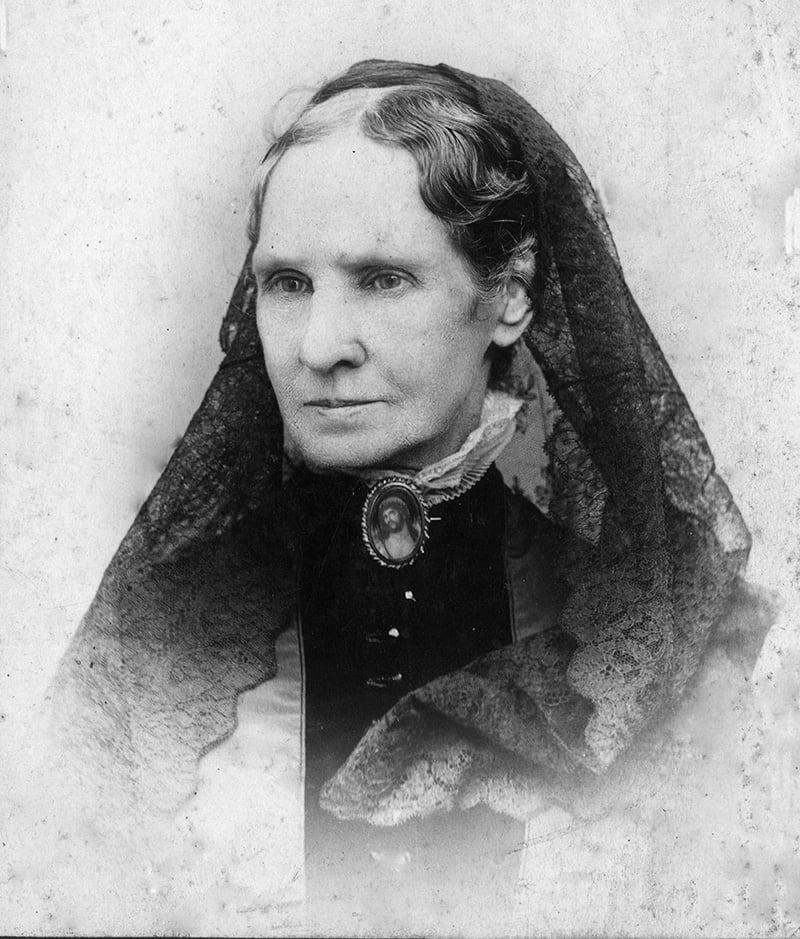
Henrietta Esther Scott Cleveland (1817–1907) became a persistent advocate for a Covington hospital. Across the Ohio River, Sarah Worthington King Peter (1800–1877) had helped establish Cincinnati’s St. Mary’s Hospital, where the Sisters of the Poor of St. Francis operated a donation-supported institution that provided complimentary healthcare. That example helped Cleveland and Peter persuade Bishop George Aloysius Carrell (1803–1868) that a similar hospital could succeed in Covington.
The participants brought different resources to the undertaking. Cleveland mobilized local support; Peter supplied experience and connections; Carrell approved the project; and the Franciscan Sisters of the Poor religious community supplied the sisters who would staff and manage it.
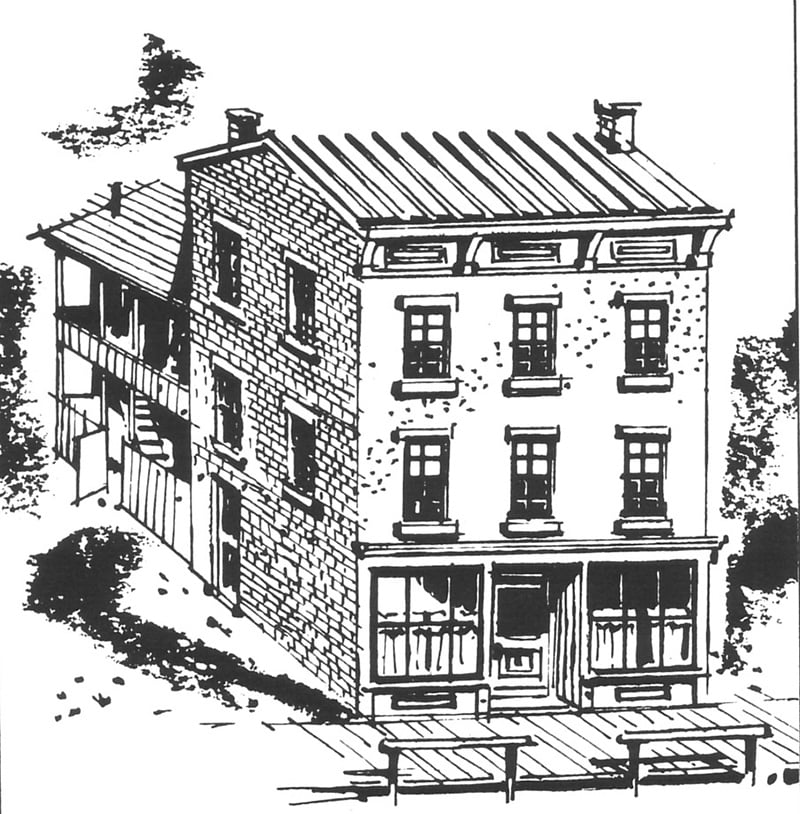
Their plans became a working hospital in a converted grocery building on East Seventh Street in Covington. On January 23, 1861, St. Elizabeth admitted its first patient, Louis Meyer, a 35-year-old laborer and father of three. Donations supported the hospital’s early care. Soon the hospital also cared for abandoned infants and young children with the opening of an orphanage.
A Children’s Home in Northern Kentucky: A distinct response to children’s needs
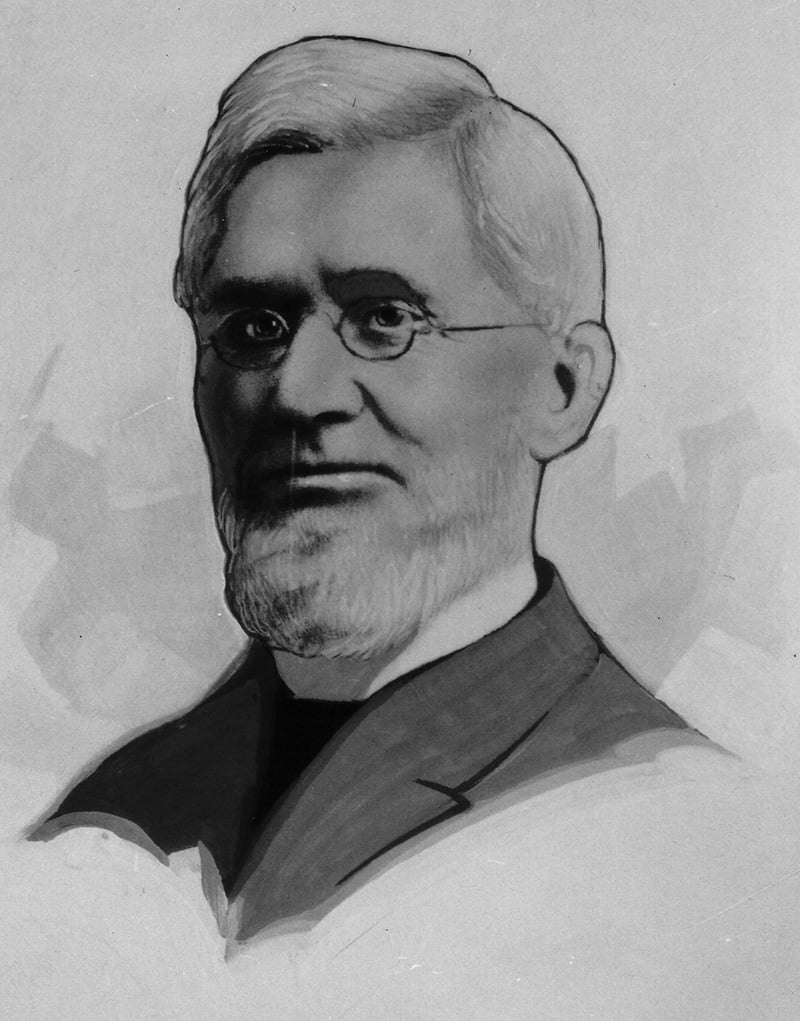
Another chapter in Northern Kentucky’s charitable history took shape when Amos Shinkle (1818–1892) and fellow supporters organized a home specifically for children without adequate care or protection.
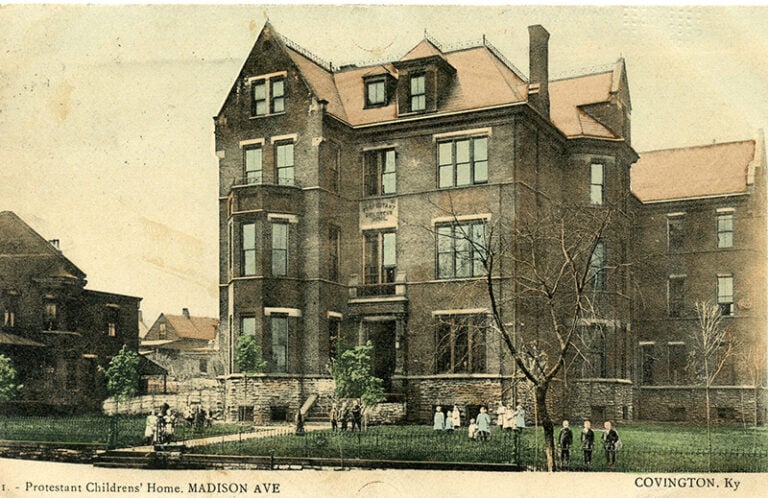
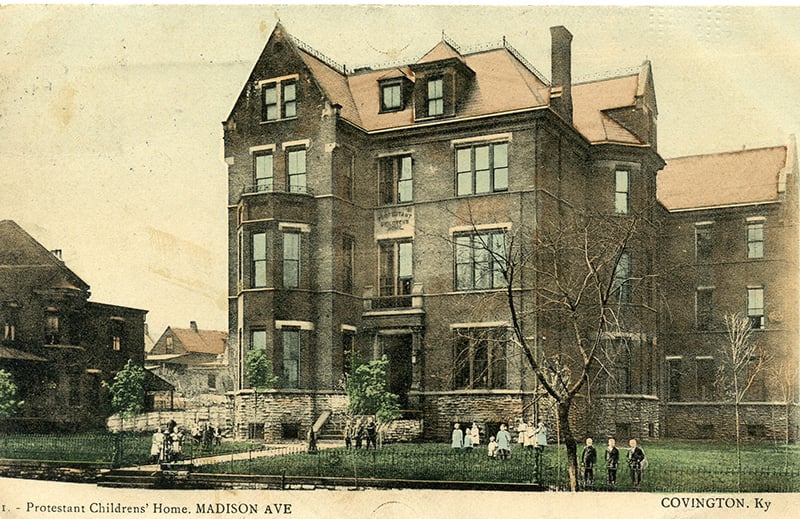
Charter plans for the Covington Protestant Children’s Home began in 1880. Shinkle, a successful coal dealer and Methodist philanthropist, offered to purchase land and pay for construction if the area’s Protestant community would support the institution. Designed by Cincinnati architect Samuel Hannaford, the building at 14th Street and Madison Avenue could accommodate about 50 children. It was dedicated on December 19, 1882.
Shinkle’s investment established the home, but its support extended beyond philanthropic donors. The organization’s own history describes gifts ranging from money to chickens and vegetables brought by working-class residents. It also recalls four young girls who raised $10 through a neighborhood fair — a small-scale counterpart to the fundraising that had helped launch St. Elizabeth.
As industry expanded around the original home, smoke and soot from nearby railroad facilities made outdoor play difficult. A fundraising campaign helped secure a new campus adjoining Devou Park, where a modern building was dedicated in December 1926.
The institution’s mission and services evolved significantly over time. By the late 1970s, it had begun transitioning from a traditional orphanage model to a residential treatment center serving children with emotional and behavioral challenges. In 1990, it became the Children’s Home of Northern Kentucky, later rebranding as CHNK Behavioral Health. In November 2025, the organization adopted its current name, OneQuest Health. Today, it provides trauma-informed mental health and addiction treatment services for children, adolescents, adults, and families throughout the region.
Familiar forms of participation, changing forms of care
Community gatherings remained a visible part of Northern Kentucky life in the twentieth century and well into the first quarter of the twenty-first century, even as charitable institutions changed their services and methods. For example, Paul A. Tenkotte’s account of Thanksgiving 1945 describes church festivals, shared meals and intercongregational services across the region after World War II. That November also brought a public observance honoring the Sisters of the Poor of St. Francis and their work for Northern Kentucky’s sick and poor.
As social challenges have evolved, so have the organizations addressing them. While earlier charitable institutions focused on immediate needs such as food, shelter, safety, and crisis relief, today’s nonprofits increasingly address the underlying causes of hardship by strengthening families, building resilience, fostering community partnerships, and creating pathways to long-term stability and opportunity. Organizations such as Family Nurturing Center, Fairhaven Rescue Mission, and Master Provisions exemplify this transformation, helping individuals, families, and communities not only survive, but thrive.
Why this history matters now
That history provides a starting point for “Beyond Business: Serving Our Community Together,” a free November 12, conversation organized by the Kenton County Public Library’s monthly Small Business Resource Collaborative.
Representatives of Family Nurturing Center, Fairhaven Rescue Mission and Master Provisions will discuss community needs and practical ways that residents and businesses can help. The work of these non-profit social services offers a contemporary entry into a much longer story: how Northern Kentuckians have consistently organized people, money, supplies and skills to care for neighbors facing circumstances that individual households could not manage alone.
Family Nurturing Center: Organizing around child safety and family support
Family Nurturing Center traces its beginnings to concerned citizens who organized around the problem of child abuse in the 1970s. Its first Parents Anonymous program met in September 1978, and the agency incorporated in 1979. Its present-day mission centers on ending the cycle of child abuse through individual well-being and healthy family relationships. Services include counseling, parenting education and support, education and training, and parenting-time visitation. Its regional work reaches Northern Kentucky and Hamilton County, Ohio.
Over nearly five decades, Family Nurturing Center has mirrored a national shift in child welfare, moving from an emphasis on protecting children from abuse to helping children, parents, and entire families heal from trauma, build resilience, and thrive within stronger communities. The Center’s mission is to support the well-being of children and families through culturally competent interventions, empowering individuals to create change within themselves and their communities.
Jane Herms is the organization’s designated representative for the November 12 discussion at the Covington Library. Her participation provides an opportunity to connect this history of civic engagement and citizen action with the challenges facing children and families today.
Fairhaven Rescue Mission: Responding to homelessness in Covington
Fairhaven Rescue Mission developed a distinct mission centered on providing food, shelter, and recovery support to individuals experiencing homelessness and instability. Incorporated in 1984, the Covington-based Christian ministry celebrated its 40th anniversary in 2024. Anniversary coverage highlighted the mission’s overnight shelter for men and its evening meal program serving men, women, and families. It also underscored the vital role of volunteers in preparing meals, collecting donations, and sustaining the organization’s daily operations.
Fairhaven’s ministry extends beyond the walls of its building. Its success has always depended on the careful coordination of meals, facilities, staff, volunteers, and community relationships. The organization’s history is a testament to the steady, often unseen work required to maintain that support network day after day.
Chris Rutledge is the panelist representing Fairhaven at the library conversation.
Master Provisions: Building a Distribution Network for Community Care
While organizations such as the Family Nurturing Center and Fairhaven Rescue Mission focus on direct service to children, families, and individuals in need, Master Provisions combats food insecurity by supporting a broad network of community organizations. Founded by Roger Babik in 1994, the nonprofit supplies food and other resources to shelters, recovery centers, food pantries, soup kitchens, and charitable agencies across the region. Its work illustrates how community care can be multiplied through partnerships that extend assistance far beyond a single organization’s reach.
Master Provisions’ evolution reflects a broader transformation in charitable work. Originally focused on international relief efforts to countries like Ukraine, Kosova and Honduras, Master Provisions shifted its attention toward local communities and now serves 26 counties across Kentucky, Ohio, and Indiana. Through a network of volunteers, donors, and 228 nonprofit partners, the organization helps provide more than 121,000 meals each month while ensuring that resources reach people where they are needed most.
The story of Master Provisions makes the often-unseen infrastructure of philanthropy visible. Warehouse space, transportation, donated goods, and thousands of volunteer hours work together to connect resources with the agencies best positioned to serve their communities. Beyond food distribution, the organization engages students, volunteers, and individuals with disabilities in meaningful service opportunities, demonstrating how modern nonprofits increasingly build community capacity while meeting essential needs.
Like the other organizations highlighted here, Master Provisions represents a shift from simply providing relief to creating long-term community resilience. Its collaborative model shows how twenty-first-century nonprofits increasingly address social challenges through partnerships, shared resources, and collective impact, helping individuals, families, and communities not only survive, but thrive. Shane Armstrong, President of Master Provisions, is the representative for the November 12 panel discussion.
What connects these stories — and what has changed
Taken together, these histories suggest a recurring pattern: Northern Kentuckians identify a need, organize support and adapt their institutions as circumstances change.
The November 12 monthly Small Business Resource Collaborative at the Covington Library asks today’s neighbors to consider what they, too, can help build—and sustain.
Event: Beyond Business: Serving Our Community Together
Date: Thursday, November 12
Starting Time: 9 a.m.
Location: Kenton County Public Library, 502 Scott Blvd. in Covington
Admission: Free; no registration required
Parking: Free guest parking next to the library building
Panelists: Jane Herms; Chris Rutledge; Shane Armstrong
Information: John Schlipp, john.schlipp@kentonlibrary.org
John Schlipp is a small business and career navigator librarian at Kenton County Public Library, specializing in business resources and intellectual property awareness. Contact John at john.schlipp@kentonlibrary.org
Paul A. Tenkotte, PhD is editor of the “Our Rich History” and professor of History at Northern Kentucky University (NKU). Tenkotte also serves as director of the Ohio River Valley Innovation Library and Learning Engagement (ORVILLE) project. He can be contacted at tenkottep@nku.edu.